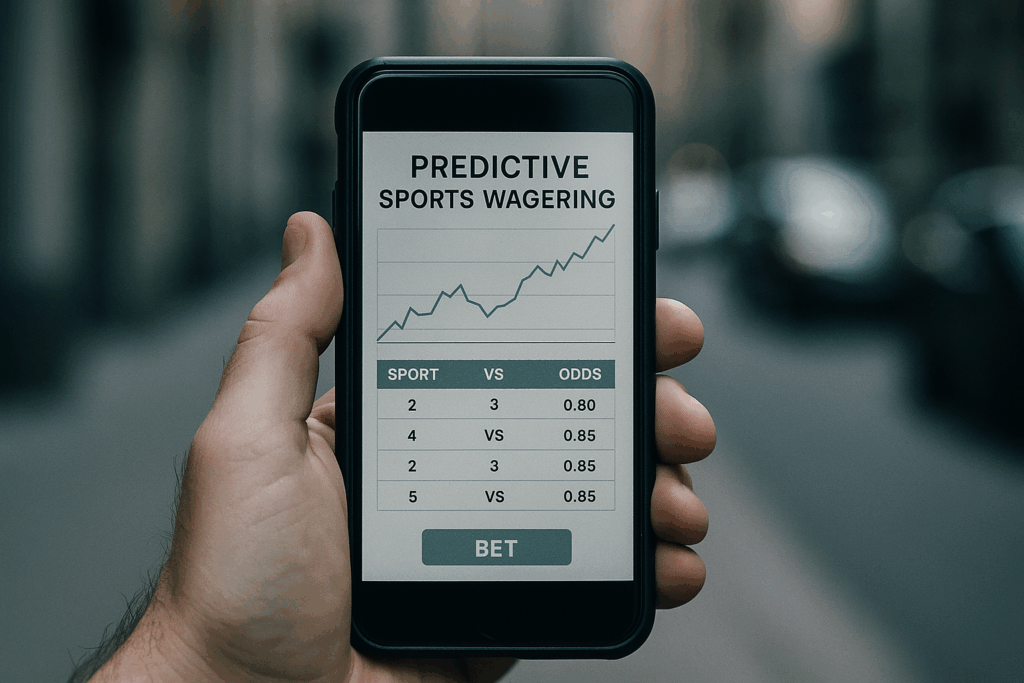

Why Data Is the Real MVP in Modern Betting
From Instinct to Information
In the past, many bettors relied on gut instinct or personal bias to make decisions. But in today’s data rich environment, intuition alone doesn’t cut it. The most successful bettors understand that consistent performance comes from objective, data driven strategies not hunches.
Why Data Backed Decisions Matter
Using data allows for:
More accurate predictions: Numbers tell a clearer story than emotions ever could.
Consistency over time: Data brings repeatable outcomes instead of one off wins.
Clarity in high pressure moments: Removing emotion improves judgment, especially with real money on the line.
These advantages are why data backed bettors tend to reduce risk and increase return over the long haul.
Quantifiable Insights Beat Instinct
When faced with a betting decision, a well informed player analyzes metrics like implied probability, recent form, and historical performance of similar matchups. In contrast, gut driven bets may be influenced by media narratives, personal preferences, or confirmation bias.
Key benefits of quantifiable insights include:
Objective comparisons between teams, players, or matchups
Clearer spotting of inefficiencies in betting lines
Real time adaptability based on updated stats or injuries
Bettors With a System Win More Often
Bettors using data driven systems consistently outperform casual guessers. These systems are based on detecting value in the odds rather than predicting outcomes with certainty. Think of it as playing probability, not chasing perfection.
What ‘having a system’ looks like:
Consistent rules for placing bets, based on tested metrics
A clear bankroll strategy and performance review process
The ability to adjust based on outcomes and trends
The bottom line? Strategy always beats spontaneity in betting. Data doesn’t just help it gives you the edge.
Understanding raw win/loss records alone won’t cut it anymore. Smart bettors compare real outcomes to expected win probabilities. If your bets win 60% of the time, but the implied odds suggest only a 50% chance, you’re beating the book. That gap is value pure and simple. It’s how you know your edge is real.
ROI (Return on Investment) takes it further. It’s not just about how often you win, but how much. A 52% win rate with a solid ROI can outperform flashier stats that don’t return consistent profit. Track ROI per bet type moneyline, spread, parlays to see what’s actually working.
Then there’s market inefficiency. Odds are set by people, adjusted by volume. That leaves room for mistakes. Look for early odds that move fast, public misreads, or niche markets where sharps aren’t looking yet. Skewed odds are opportunities for those paying attention.
Timing matters, too. Lines shift. Injuries break. If you can act faster than the market adjusts, you’re in prime territory. The edge isn’t just in research it’s in execution.
Breaking Down Historical Patterns
It’s easy to get seduced by hot streaks and cold runs. A team wins five in a row and suddenly the public jumps on the bandwagon. But recent performance while loud isn’t always honest. What matters more is the big picture: historical consistency, matchup context, and long term trends that outlast hype.
Short term variance is messy by nature. A QB could have a breakout game because the opposing defense was missing two starters. A team on a losing streak might simply have been slogging through a brutal travel schedule. Variance doesn’t stick around. Patterns do.
That’s where historical data steps in. When used right, it filters out the noise and surfaces repeatable edges. Maybe a certain underdog consistently covers the spread in cold weather road games. Or maybe a fighter’s strike rate plummets after Round 2 something obvious over 15 fights, invisible over one. The trick is zooming out.
If you want to move beyond betting vibes, start digging into data that spans seasons, not weeks. It’s not glamorous, but it works. Historical betting data is your flashlight in a fog of randomness.
Odds Value: What It Really Means

At the heart of smart sports betting is understanding odds not just the numbers, but what they imply. Every betting line you see has an embedded probability called implied probability. This number tells you what chance the sportsbook thinks an outcome has, baked right into the odds. For example, if a team is listed at +200, the implied probability is about 33%. But here’s the kicker: that number includes the sportsbook’s margin its built in profit. So the true probability might actually be lower.
This is where sharp bettors look for value. If your own model projects a 45% chance for an outcome, while the book’s implied odds are based on just a 33% chance, you’ve found a possible edge. That edge is the gap between what the market suggests and what your data says is more likely. Betting value isn’t about picking winners every time it’s about consistently betting when the numbers lean in your favor.
To keep it real, this only works if you’re running numbers, not feelings. Betting because you “have a hunch” or you “like the team” won’t sustain you long term. Finding true value means running your probabilities, comparing them to the book, and only firing when your edge is worth the risk. And yes sometimes that means passing on flashy games and betting the ones no one’s watching.
Discipline trumps emotion. Track your results. Stick to your edges. You’re not trying to win every bet you’re trying to bet when the odds are wrong in your favor.
Tools and Techniques That Give You the Edge
Start by understanding who’s moving the betting lines. Public money comes from casual bettors people betting based on emotion, media buzz, or last night’s highlights. Sharp money, on the other hand, tends to move the lines for real. It’s placed by bettors with data, models, and track records. When you notice a line shift that doesn’t line up with public sentiment, it usually means the sharps have weighed in. Follow the steam, but verify it.
From there, it’s about tools. At the very least, use a spreadsheet to crunch numbers. Track closing odds versus your predictions. Find where the market underestimated or overreacted. If you’re ready to go deeper, tap into free or low cost APIs to pull odds in real time and run simulations. Even basic Monte Carlo methods or regression models can expose small but repeatable edges over time.
Building a simple model isn’t rocket science. Start with historical performance and current odds. Add filters injuries, weather, team fatigue then run scenarios. Calibrate your model against real world outcomes. Iterate and refine. The key is not perfection, but consistency.
And it pays, literally, to revisit the past. Historical betting data offers trendlines that can validate hunches or kill biases. Used right, it’s your map not your crystal ball. Smart bettors use history to see where value hides, not just where it’s been before.
Pitfalls to Watch Out For
Data is powerful until it becomes noise. A common trap for data driven bettors is overfitting. That’s when you tweak a model so tightly around past outcomes that it performs great in hindsight but falls apart in real time. Instead of capturing real trends, you’ve built a machine that memorizes old quirks. Past performance matters, but only when balanced against randomness and context.
Another danger is chasing patterns that don’t exist. Not every spike or dip is meaningful. That one team covering spreads every time it rains? Probably coincidence. An anomaly might look like a pattern at first, but smart bettors test it repeatedly and ask, does this hold up over a larger sample or different conditions? Most of the time, it doesn’t.
And then there’s the bias trap: wagering based on brand names, star players, or historical glory. Reputation doesn’t equal value. A well known team with a loyal fanbase often sees inflated lines. Meanwhile, less flashy matchups may quietly offer better odds value. Your edge comes from finding where the odds miss not where the name sells tickets.
Moving from Guesswork to Strategy
Mastering the numbers is only half the battle. The real progress comes when you turn data into discipline by setting goals, managing your bankroll, and consistently evaluating performance. Here’s how to make analysis part of your strategy, not just your process.
Define Your Purpose and Parameters
Before placing any bets, set clear goals and guidelines for what success looks like.
Establish a bankroll: Choose an amount you’re willing (and able) to lose, then structure bets accordingly.
Set betting units: Stick to a consistent unit size to avoid emotionally driven swings in wager amounts.
Clarify your goals: Are you aiming for long term ROI or short term profit? Your goal will shape your approach.
Track Every Bet No Exceptions
Winning bettors don’t just rely on memory; they document everything. Having a system in place helps you refine your strategy over time.
Log bet type, date, stake, odds, and result: Use a spreadsheet, journal, or a dedicated tracking app.
Include reasoning: Record what analysis led you to place the bet. This allows for honest retrospection.
Monitor trends: Regular reviews of your betting history can reveal hidden patterns (good or bad).
From Data to Habit
Turning analysis into action means developing habits that reduce guesswork and emotional decision making.
Create pre bet checklists: Ensure each wager meets your value criteria before placing it.
Review both wins and losses: Focus on whether the process not just the result was sound.
Adapt and optimize: Use insights from tracking to avoid repeating mistakes and to recognize which strategies perform.
Informed betting starts with discipline. When you consistently act on what your data is telling you and not what your gut says you move from chance to strategy, and from hoping to knowing.

 Lillian Wagneroler, an insightful author at oddsempirerush focuses on in-depth research and engaging storytelling. Her articles provide fresh perspectives on betting trends, helping readers connect with the latest developments in the industry.