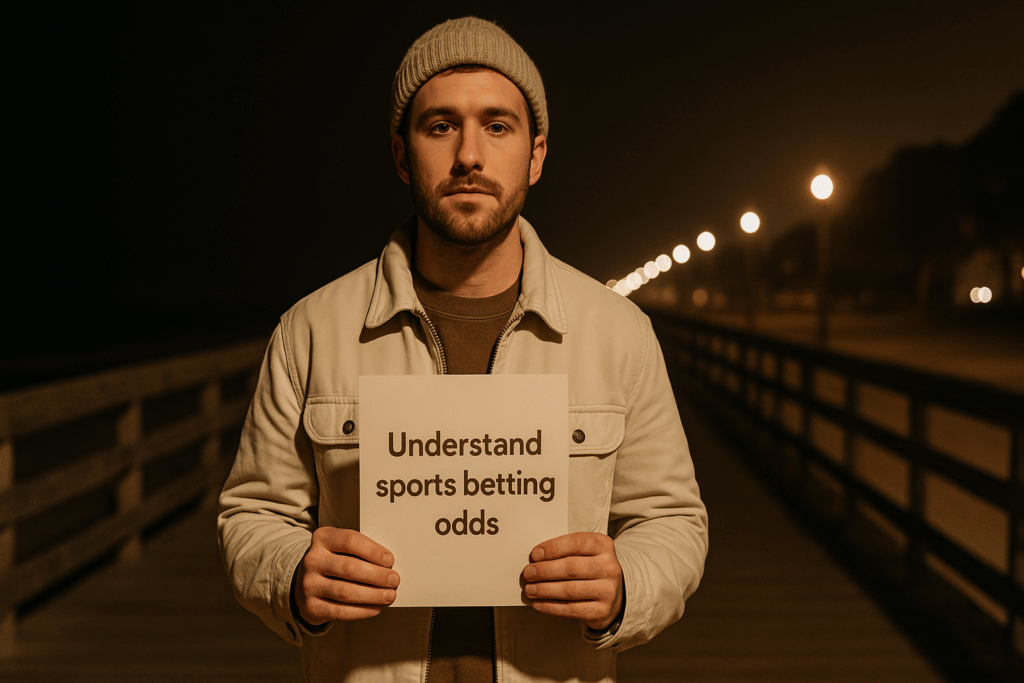

Know What the Numbers Actually Mean
Betting odds aren’t complicated unless you let them be. The first step is knowing how odds are presented. There are three standard formats: American, Decimal, and Fractional. American odds show you how much you’d win on a $100 bet (positive number) or how much you need to bet to win $100 (negative number). Decimal odds tell you your total payout per dollar wagered including your stake. Fractional odds, common in the UK, show profit relative to stake (e.g., 5/1 = win $5 for every $1 you bet).
Bookmakers don’t just pick odds out of thin air. They set lines to balance risk so that no matter who wins, the house is still safe. That usually means tilting things just enough in their favor. Enter the house edge. This is the built in margin that lets sportsbooks collect profit over the long run. It’s what makes sports betting a business, not a charity.
So when you look at odds, you’re not just seeing a prediction you’re seeing a price shaped by math, psychology, and market behavior. Your edge comes from interpreting that price better than the average bettor. Start here if you want to learn how: interpret betting odds.
Spotting Value Beyond the Line
In sports betting, “value” isn’t about picking winners it’s about finding odds that misprice the likelihood of an event. A good bet isn’t always the favorite; it’s the one where the potential payout outweighs the actual risk. This is where smart bettors separate from gamblers.
Start with implied probability. It’s what odds are really saying about the chance of something happening. Example: +200 odds in American format imply a 33.3% chance. If you believe the true probability is closer to 45%, you’ve found value the bookmaker is underestimating what’s likely to happen.
Here’s the basic formula: Implied Probability = 100 / (Decimal Odds). Compare that to your own read on the probabilities. If your number is higher, that’s a possible edge.
But flashy odds can be a trap. Just because something pays well doesn’t mean it’s worth betting on. A long shot is still a bad bet if the odds correctly reflect how unlikely it is. Don’t chase the payout chase the mispricing.
Sharp bettors don’t bet every day. They bet when there’s value when the risk/payoff balance tilts in their favor. That means sometimes walking away when the numbers don’t line up. Discipline beats volume. Every time.
Context is King

Odds don’t live in a vacuum. Injuries, team chemistry, weather, scheduling, and even locker room drama all matter sometimes more than the numbers. A star player sitting out might not move odds as much as it should, especially if the public isn’t paying close attention. Recent form adds another layer. A team on a hot streak with high morale is rarely the same beast as one limping through losses, regardless of how the odds are framed.
Shift your focus to the odds market itself. Sharp bettors watch line movement like a heartbeat monitor. Early odds often reflect the book’s guess; late shifts tell you what serious money is doing. If a line moves dramatically without any major news, chances are the sharps spotted something. Follow the movement, then dig into why it’s happening.
And then there’s public bias the silent force behind inflated spreads and distorted moneylines. When an overrated team like a media darling gets love from casual bettors, it can make the opposing side undervalued. Your job? Spot the hype. Bet against it when the fundamentals say so.
Smart bettors blend it all raw odds, team data, market behavior, and public lean to form calls with edge. Betting on context isn’t just smarter. It’s more sustainable.
Sharpening Your Edge with Data
Winning a single bet feels good but tracking dozens over time? That’s how you build a real edge. If you’re serious about getting better, start by logging every wager: amount, odds, outcome, and a short note on why you made the bet. Over time, patterns emerge. Maybe you’re overconfident on underdogs. Maybe you kill it on totals in NBA games. You won’t know until you see the data.
Next step: model your expectations. That doesn’t mean building the next FiveThirtyEight. A basic spreadsheet that compares your expected probability (based on your own research) with implied probability from the odds can show how sharp you really are. Over ten or twenty bets, luck can distort the truth. Over a hundred, the truth shows up.
And here’s what separates pros from hobbyists: they don’t chase a win streak. They track ROI. A flashy run means nothing if your long term returns are in the red. Keeping tabs on your return on investment (especially vs. closing odds) keeps your ego in check and your strategy honest.
Want to go deeper? Check how the pros interpret betting odds to validate their edge. It’s not just about picking winners. It’s about picking value.
Keeping Emotion out of the Equation
Gut feelings might sell in movies, but in betting they’re expensive. Betting with emotion because your favorite team is playing, or you’ve got a ‘hunch’ leads to impulsive calls and bad bets. The edge goes to the bettor who stays cold, focused, and disciplined.
That’s where bankroll management comes in. Set a budget. Stick to it. Treat your bankroll like an investment account, not a gut check slush fund. Success doesn’t come from hitting one lucky bet it comes from surviving the long haul, managing risk, and protecting capital.
The smart play is to define your parameters before you start how much you’ll risk, on what types of bets, and how often. Don’t let a loss push you into chasing. Don’t let a win get you cocky. Betting is a grind, not a sprint.
The real pros know: betting without discipline is gambling. Betting with rules, data, and control that’s strategy. The difference between the two isn’t luck. It’s mindset.
Final Notes: Bet Sharp, Not Often
Odds aren’t magic. They’re not about luck or superstition they’re just numbers built around probability. Every line a bookmaker sets is a data backed summary of risk, not some sort of divine prediction. Smart bettors don’t treat odds like lottery tickets. They read the game, look at the story behind the numbers, and ask one question: where’s the edge?
The goal isn’t to outsmart the bookie they’ve got more data than you do. The goal is to find value. When odds underestimate the real probability of an outcome, that’s where opportunity lives. That’s where sharp bets come from: spotting value, not predicting miracles.
If the math doesn’t back your bet, don’t place it. If the numbers feel off and the upside doesn’t justify the risk, walk away. Betting well isn’t about action it’s about discipline. Fewer, better decisions beat frequent guessing every time. Trust the numbers. Trust your process. And if neither checks out, save your stake for another day.

 Lillian Wagneroler, an insightful author at oddsempirerush focuses on in-depth research and engaging storytelling. Her articles provide fresh perspectives on betting trends, helping readers connect with the latest developments in the industry.