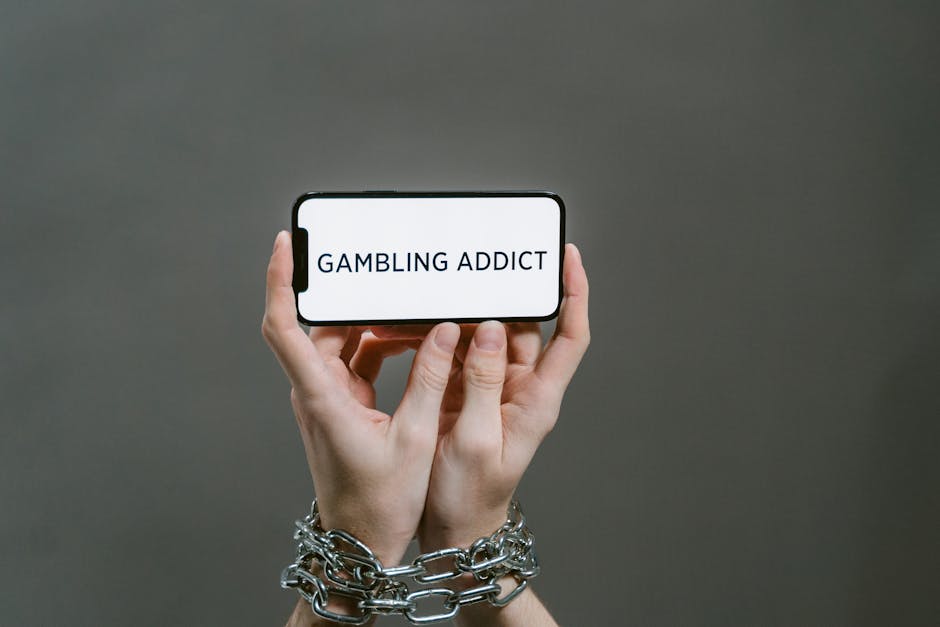

What Self Exclusion Really Means
Self exclusion is a formal way for individuals to voluntarily remove themselves from access to gambling services both online and in person. It’s not a punishment or a ban handed down by a court. Instead, it’s a decision made by the individual to set limits, reinforce boundaries, and regain control.
Here’s how it works: You sign up with a specific gambling operator or through a centralized registry, and choose how long you want to be blocked anywhere from six months to permanently. Once enrolled, you won’t be able to log in, bet, or even receive promotional material. Some programs also allow a trusted third party, like a counselor or family member, to help start the process.
This isn’t just a niche option. From Canada to the UK to Australia, self exclusion is widely deployed by regulators as a key part of safer gambling frameworks. As awareness grows, more platforms and jurisdictions are building stronger, more connected self exclusion networks that span both physical venues and digital platforms.
Why It Matters for Responsible Gambling
Self exclusion acts as a vital safety net for people who feel their gambling habits may be slipping out of control. It’s not just a tool it’s a decision point. By opting out, users acknowledge the problem and take the first real step toward regaining control. That kind of proactive choice matters.
More importantly, self exclusion isn’t meant to stand alone. It works best alongside other protective measures like deposit limits and session timers. These tools layer together to create a buffer between impulse and action. When someone pulls the plug through self exclusion, it sends a clear internal signal: “I’m aware, and I’m doing something about it.”
This kind of behavioral reinforcement helps move the conversation around gambling toward responsibility and ownership. Systems need tools like this not to punish, but to protect and self exclusion does exactly that.
How Self Exclusion Programs Help

Self exclusion is built for tough moments the kind where logic fades and impulse takes the wheel. By cutting off access to betting platforms right when it’s most tempting, these programs give people a critical interruption in their decision making. No login, no wager, no spiral.
It’s not just about blocking access. For many users, self exclusion creates a psychological reset. It draws a clear boundary in moments when self control feels out of reach. That pause can be the break someone needs to step back, reflect, and avoid long term harm.
Modern programs go further. They don’t just shut the door they point you toward another one. Most systems now include direct referrals to counseling, helplines, therapy, or recovery services. The goal isn’t punishment; it’s protection and a path forward.
Looking for a detailed breakdown? Check out our dedicated feature on self exclusion programs.
Key Features of Effective Programs
An effective self exclusion program should remove barriers, not create them. That starts with streamlined access. Whether someone walks into a casino or logs in from home, the process to enroll should be quick, clear, and free of unnecessary friction. One form, one decision point that’s the goal. Digital platforms need to match the ease of offline sign ups, and in places that do both well, people are more likely to use them.
Data protection is non negotiable. Anyone taking the step to self exclude is in a vulnerable spot. Their information identities, choices, timelines needs to be handled securely. Trusting that the system respects and protects privacy sets the foundation for honest participation.
The strongest programs also aren’t bound by borders. They work across licensed casinos, apps, and websites within a region. When someone opts out, it should mean something everywhere in that ecosystem, not just on one platform. Consistency gives the system weight.
Finally, it’s not a set it and forget it deal. Good self exclusion programs check in. They offer optional support, follow ups, and even more importantly a path back through re entry counseling if someone feels ready. It’s not about permanent exile. It’s about putting control back in people’s hands, on their terms.
Limitations and Areas for Improvement
While self exclusion programs have come a long way, there are still a number of critical challenges that need to be addressed for greater effectiveness and long term impact.
Enforcement Gaps on Offshore and Unlicensed Operators
One of the most pressing issues is the lack of control over gambling platforms that operate outside regulated jurisdictions.
Many offshore sites do not honor self exclusion agreements
Users can easily bypass restrictions by signing up with unlicensed operators
Limited legal power makes international enforcement difficult
Fragmented Global Standards
Self exclusion systems vary drastically from country to country, with few mechanisms for global cooperation.
No universal database or standard for cross border enforcement
A person excluded in one country may still access platforms based elsewhere
Regulatory frameworks often work in isolation, reducing overall protection
Loopholes Through Re Registration
Some determined users find workarounds, especially on systems lacking advanced identity verification.
Re registering using new email addresses or IDs is still possible on many platforms
Biometric and AI driven verification are under development but not yet widespread
This loophole weakens the intent of exclusion and can endanger vulnerable users
The Path Forward
To address these issues, innovation and international collaboration are key:
Stricter policies for licensed operators and stronger penalties for non compliance
Shared databases or international reporting standards to close jurisdictional gaps
Investment in advanced tech to reliably identify and block excluded players
While no system is foolproof, acknowledging these limitations is the first step toward more responsible and inclusive play environments.
The Takeaway: A Balanced System
Self exclusion isn’t a magic fix it’s more like hitting the brakes before going completely off road. It gives people the space to pause, reset, and start regaining control. Still, on its own, it’s not enough. The system works best when it’s backed by education around gambling risks, real support systems, and smarter game design that doesn’t feed compulsive habits.
It’s not just on the individual. Platforms need to build with risk in mind. Regulators need to tighten oversight and make programs easier to access and harder to bypass. And communities friends, family, support groups can make these tools more than just checkboxes on a form. When all sides show up, the system becomes stronger.
For more on how industry backed initiatives are evolving, revisit our full guide to self exclusion programs.

 Lillian Wagneroler, an insightful author at oddsempirerush focuses on in-depth research and engaging storytelling. Her articles provide fresh perspectives on betting trends, helping readers connect with the latest developments in the industry.