What Early Problem Gambling Actually Looks Like
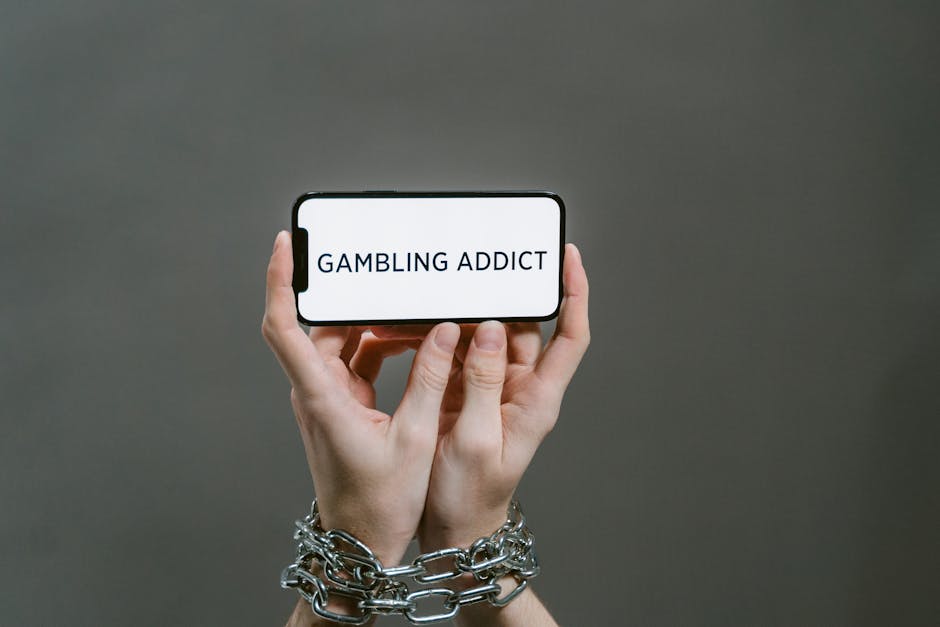
Most people think problem gambling starts with big losses or obvious addiction. It doesn’t. It’s quieter than that a shift in habits that slides under the radar. Maybe someone starts checking betting odds daily instead of once a week. Maybe a quick game after work becomes a must do ritual. The changes are small enough to seem harmless, but they can signal a deeper problem starting to set in.
Denial plays a big role here. Gamblers often don’t see themselves as having a problem because the line between fun and fixation isn’t clear. They’ll say things like, “I’m just on a streak,” or “I know when to stop.” But by the time those words become routine, boundaries have usually blurred.
Casual gambling is social, occasional, and doesn’t come with stress. Early signs of addiction, though, show up in behavior shifts: the gambler gets defensive, secretive, or obsessed. Weekends become built around the next bet. They gamble when they’re bored, anxious, or just trying to feel something. That’s when it’s no longer just a game and that’s when it’s time to take a harder look.
Emotional & Mental Red Flags
Gambling problems often show up in feelings before they show up in finances. One of the first cues? Mood swings. A big win leads to a burst of excitement, maybe even euphoria. A loss? Frustration, anger, or feeling drained. The emotional highs and lows don’t just stop when the game’s over they ripple into daily life and relationships.
You’ll also notice anxiety or irritability creep in when gambling isn’t happening. Some feel restless or on edge during breaks, like something important is missing. It’s not uncommon for people to feel low or even depressed when they’re not playing especially if they’ve started relying on gambling to regulate emotions.
That’s the other red flag: using gambling to escape. Whether it’s stress, loneliness, or boredom, the habit starts shifting from entertainment to emotional crutch. That shift is subtle but serious. Gambling stops being a game and starts becoming a coping mechanism, which can quickly spiral into something harder to control.
Behavioral Changes That Signal Trouble
When someone starts gambling more often and spending more they usually tell themselves it’s no big deal. But when you zoom out, the picture gets clearer. The time flies, the bank account thins, and responsibilities start slipping. This isn’t about a one off big weekend in Vegas. It’s about patterns.
One major red flag is secrecy. If someone suddenly gets cagey about their phone, their bank statements, or where they’re going, it’s worth paying attention. Gambling thrives in isolation. When people start lying or dodging questions, it’s often because they know something’s off.
There’s also the trap of chasing losses trying to win back money that’s already gone. It’s a fast road to financial damage and a mental spiral. Budgets don’t matter in that headspace. Logic takes a backseat to desperation.
Then there’s the fallout. Work deadlines get missed. Classes skipped. Relationships quietly strained. The more life gets neglected, the deeper the gambling tends to run. These aren’t small slip ups they’re symptoms of something much bigger taking over.
Social and Financial Warning Signs

When gambling starts crossing the line into something more serious, changes in money habits and social behavior are often the first to show. Borrowing cash for bets is a big red flag especially if it becomes routine. Some people even sell personal items just to keep playing. This kind of financial desperation isn’t casual gambling anymore. It’s survival mode behavior tied directly to the addiction.
Lying becomes another major marker. Not just exaggerating wins, but hiding losses, covering up how much time or money is being spent, or inventing stories about where money is going. That lack of openness can erode trust fast.
Then there’s isolation. As the problem grows, people often pull away from friends and family not because they want to, but because facing others means facing the truth. Missed gatherings, unreturned calls, always having an excuse. If someone close to you is suddenly more distant and their finances don’t make sense, it’s time to look closer.
What To Do When You Spot the Signs
Confronting someone about their gambling habits isn’t easy but, done right, it can be the first nudge toward real change. The key is to lead with concern, not accusation. Avoid labeling or cornering them with “you have a problem” language. Instead, try something simple and calm: “I’ve noticed you’ve seemed more stressed lately, and I’m worried about you.” Keep the door open, not slammed shut.
There’s no perfect script, but timing and tone matter. Bring it up during a quiet moment not in the heat of an argument or right after a financial setback. And if the person shuts down or gets defensive, back off and try again later. This isn’t a one shot conversation. It’s a process.
You’ll know it’s time to seek outside help when their behavior starts causing real harm missed work, financial damage, emotional withdrawal, or dishonesty. If they’re in denial or unwilling to change, support groups, therapists, or hotlines can offer a next step. You don’t have to fix it on your own. Pointing them toward professionals isn’t betrayal. It’s a form of care.
If you’re the one noticing these signs in yourself, start by getting honest. Track how often you gamble, how much you’re spending, and how it affects your mood. Reach out quietly, but intentionally. Talk to a friend. Use a support app. Join an anonymous group online. First steps don’t have to be big. But they do have to be yours.
Essential Resource for Spotting the Signs
Recognizing problem gambling early isn’t just about watching for big losses or dramatic behaviors. Most red flags are subtle and easy to overlook if you don’t know what to watch for. That’s where detailed checklists and support tools come in.
Start with behavior. The problem gambling signs guide breaks down warning patterns that often hide in plain sight: longer sessions than planned, lying about wins/losses, needing to gamble with increasing stakes just to feel something. These are small shifts that can snowball fast.
The guide doesn’t stop at identification. It also offers smart, real world action steps like how to journal gambling habits honestly, track emotional triggers, or talk with someone without throwing up defenses. There’s even a printable checklist that helps people measure changes in behavior over time.
For those not sure where to start, the inclusion of support strategies matters. It points to hotlines, peer groups, and digital tools that offer structure without judgment. It’s not about shame it’s about patterns, self honesty, and taking action early.
If you or someone you care about is showing any of the signs, it’s worth digging into the full resource. Being informed now could avoid real consequences later.
Final Thoughts: Trust the Patterns
Problem gambling doesn’t explode out of nowhere. It creeps in quietly, gradually, and often invisibly. One extra weekend, one more bet to win back what was lost, one excuse after another. By the time it’s obvious, it’s already taken hold.
That’s why catching it early matters. The smaller the snowball, the easier it is to stop it from rolling downhill. Whether you’re seeing the signs in yourself or someone close to you, getting honest about what’s really going on is how change begins. No drama, no judgment just clear awareness and action.
Support systems are out there. So are checklists, hotlines, and communities that understand what you’re dealing with. Lean on them. The more real information and real conversations we bring to the table, the easier it gets to course correct early before gambling morphs into something harder to undo.
For a closer breakdown of red flags and what to do next, visit our guide to problem gambling signs.

 Korlan Yvonthor is the co-founder of oddsempirerush and a leading voice in sports analytics. Combining technology, data, and strategy, he plays a key role in shaping the platform’s vision and delivering trusted resources for sports betting enthusiasts.