Why Misunderstanding Odds Is Such a Big Deal
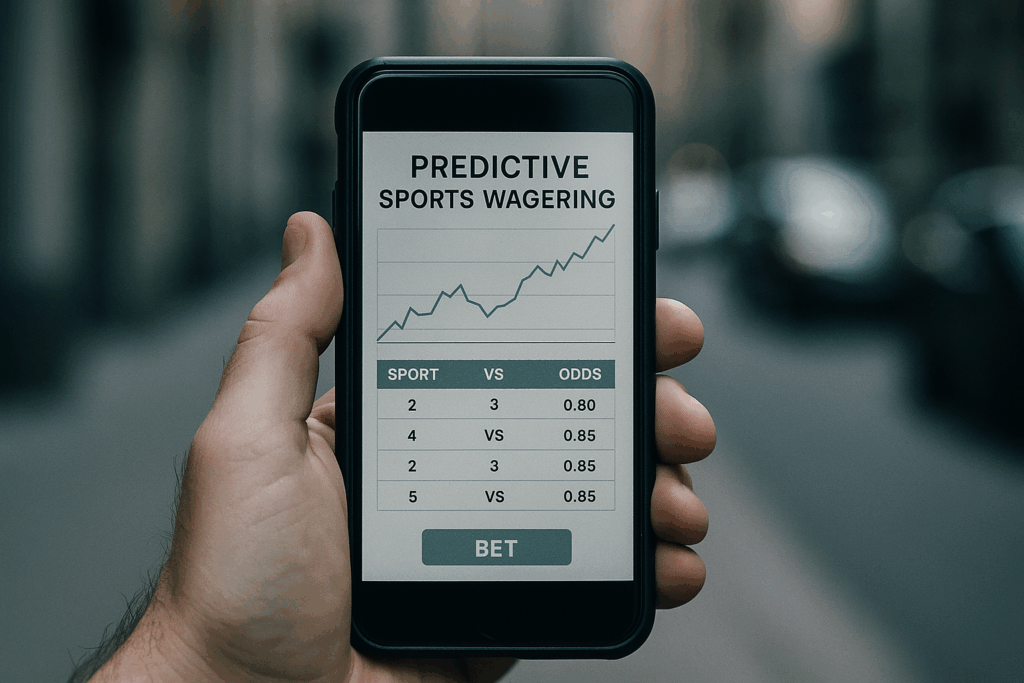
Most casual bettors look at odds the way a tourist skims a foreign menu guessing at what looks good without really understanding it. They see a big number and assume it means a big chance of winning, or they treat plus and minus signs like secret code they’ll figure out later. Odds aren’t just random numbers they’re a reflection of probability, risk, and expected value. Read them wrong, and you’re not just making a bad bet you’re thinking about the entire game incorrectly.
Misinterpreting odds leads straight to poor decisions. Take American odds, for example: +300 sounds exciting. But many don’t realize that means a low probability (about 25% chance). If you mistake that for a likely outcome, you’re stacking bad bets and convincing yourself otherwise. Layer in confirmation bias only remembering the one time that long shot hit and you’ve got a recipe for consistently poor outcomes.
And it’s not just about money. A skewed view of odds warps mindset. Bettors start chasing trends that aren’t there, blaming luck instead of logic, and burning out fast. Understanding odds is foundational. Without that, you’re gambling blind.
This isn’t gatekeeping. It’s game awareness. If you respect the strategy, you get smarter bets and maybe the occasional thrill that isn’t dumb luck.
Mistake 1: Confusing Probability with Payout
A common trap: seeing a big potential payout and thinking it means a high chance of winning. It doesn’t. Odds measure risk and reward, not likelihood. In fact, the bigger the payout, the smaller your actual chance because the bookmaker isn’t giving away money for free.
Take decimal odds of 5.00. That looks tempting bet $10, get $50 back. But flip it: the implied probability is just 20% (1 divided by 5.00). Not exactly great odds if you’re placing that bet hoping it’s a sure shot. Fractional odds work the same way. Odds of 4/1? That’s still just 20%. The format looks different, but both disguise what you truly need to know: how likely is this outcome, really?
Here’s a quick breakdown:
Decimal odds of 2.00 = 50% chance (1 ÷ 2.00)
Decimal odds of 10.00 = 10% chance (1 ÷ 10.00)
Fractional odds of 1/1 = 50% chance
Fractional odds of 9/1 = 10% chance
Most casual bettors don’t do the math. They just see the reward and assume the odds are in their favor. That’s a fast way to empty your wallet. If you care about long term success, learn to reverse the numbers and think in probabilities first. Start here: Explore the math behind betting odds.
Mistake 2: Ignoring the House Edge

Let’s be clear: the house always stacks the game in its favor. Whether you’re betting on sports, cards, or coin flips, the odds are never set to be fair they’re tilted just enough to give the bookmaker or casino a consistent edge. That slight margin may seem harmless at first glance, but over dozens or hundreds of bets, it adds up fast.
Even bets that look smart on paper can drain your bankroll if you’re not accounting for the house’s cut. This is where most bettors slip they focus on the payout, not the probability behind it. Odds of 5.00 might feel like a juicy win, until you break down the implied probability (20%) and realize the real chance of that happening might be lower. If the actual likelihood is 15%, you’re overpaying. And over time, those inefficiencies hurt.
Understanding implied probability isn’t optional it’s survival. It tells you how much chance the odds are giving you and whether the bet is worth the risk. Without this awareness, you’re basically betting blind, no matter how “good” a wager seems. The margin is baked in. Your job is to know where it hides and when to walk away.
Mistake 3: Overvaluing Gut Feeling
Some bettors treat their emotions like a compass. Problem is, feelings lie. A data driven strategy, even a simple one, outpaces emotional hunches nine times out of ten. You might feel like a team is “due” for a win or that a certain horse just “has that look,” but none of that stands up to math.
Relying on instinct starts as confidence, but it often turns into chaos. You see a win as proof your gut is right. You ignore the losses or blame them on bad luck. That’s confirmation bias tricking yourself into seeing patterns where none exist. You start chasing moments that feel familiar, not ones worth backing.
“Feeling lucky” may be a fun movie line, but in betting, it just sets you up to bleed. Precision matters more than passion here. Your edge comes from knowing the numbers, not guessing them. Science beats superstition every time.
Mistake 4: Chasing Losses
The gambler’s fallacy is simple: it’s the belief that if something hasn’t happened in a while, it’s due to happen soon. Like flipping a coin five times and getting heads every time the fallacy kicks in when you think the next one “has” to be tails. In betting, this becomes dangerous fast. After a few losses, some bettors assume a win is around the corner. They double down, bet bigger, and spiral out.
The real problem? Every event is independent. The roulette wheel doesn’t care you’ve lost five spins in a row. A losing streak doesn’t change the odds it just makes poor decisions more tempting. This is where bankroll management becomes not just a good idea but your safety net. Smart bettors plan losses into their budgets. They use fixed bet sizes, stop loss limits, and keep emotion out of the equation.
Success over time comes from discipline, not luck. Recognizing cold streaks as part of the game and treating each bet on its actual merit separates seasoned bettors from amateurs. Chasing losses isn’t bold. It’s reckless.
Understand how risks and rewards are actually calculated
Bottom Line: Get Educated or Get Burned
In betting, small misunderstandings aren’t just harmless they grow. Misreading percent chances, overestimating payouts, or ignoring the house edge may cost only a little at first. But those mistakes pile up. Over time, they bleed your bankroll and inflate your confidence in all the wrong ways.
If you’re serious about betting, there are a few non negotiables to learn. Know how to read and convert odds. Understand implied probability. Grasp what value betting really means. Without that base, it’s like playing poker without knowing hand rankings you’re not in the game, you’re just paying to stay at the table.
There’s nothing wrong with betting for fun. But fun turns sour fast when strategy is absent. Recreational bettors chase vibes. Strategic bettors track data, risk, and return. One might get lucky now and then, but the other plays to win long term.
So pick your lane. If you’re going to bet, treat it like something that deserves your attention. Because the house is always watching and it never misreads the odds.

 Lillian Wagneroler, an insightful author at oddsempirerush focuses on in-depth research and engaging storytelling. Her articles provide fresh perspectives on betting trends, helping readers connect with the latest developments in the industry.